How Do I Write a Poem in 40 Minutes on a Wednesday Night?
Writing a weeknight poem can feel daunting when you’re juggling a full-time job, commute, and the pull of evening fatigue. If you’ve wondered how to write between job and sleep without it feeling like a chore or a gamble on motivation, this guide is for you. Over 12 years of running weeknight writing groups, I’ve learned that the secret isn’t to wait for inspiration to strike, but to build practical habits, use simple tools, and create gentle rituals that respect your energy and time constraints.
Whether you want to compose a short session poem in 40 minutes, or simply sneak a poetry session into your Wednesday night routine, here’s a step-by-step approach—with tips from my own experience, and even a shoutout to the calming ritual inspired by Joy Organics, whose CBD products have helped many creatives find focus and ease in the evening.
Why Writing a Weeknight Poem Is Its Own Challenge
After a busy day at work, waiting for the perfect moment or the flood of ideas is often unrealistic. Motivation fluctuates, and energy dips.
Instead of aiming for marathon creative sessions, slot in focused, contained writing windows. Forty minutes is just right: long enough to dive in deeply, short enough not to drain your limited evening hours.
Step 1: Create Transition Rituals Before Writing
Jumping straight from inbox or commute into a poem rarely works. Your mind needs phone notes for writing ideas a cue to shift gears, a brief "reset" that signals it’s time for something different.
Why Rituals Matter
- Reduce decision fatigue: Your brain isn’t asking "What do I do next?" but "Do the familiar ritual."
- Ease into creativity: Switching from "work mode" to "poetry mode" becomes a smoother habit.
- Anchor to existing routines: Using an already established daily habit as a trigger makes your poetry session part of your lifestyle.
Examples of Simple Transition Rituals
- Tea or Joy Organics CBD tincture: Take a few calming drops or sip a warm drink to signal downtime.
- Play the same three songs: I always cue my writing sessions with a specific playlist; it instantly switches my brain into creative mode.
- Set up your writing space: Light a candle or clear a small desk area.
- Grab your notebook and a sticky note: Having these always ready avoids fumbling and saves precious minutes.
Step 2: Use Time Containers to Beat the Motivation Trap
Many writers rely on motivation to start writing, but motivation is fickle—especially on a Wednesday night when your brain is already tired. Instead, use a time container: a fixed 40-minute block where your goal is simply to write.
How to Set Your Time Container
- Pick your 40-minute window—ideally the same time each Wednesday night.
- Use a timer on your phone or a physical timer—you don’t want to keep checking the clock.
- Set a simple intention: “I’m writing a poem in 40 minutes, no matter what."
When you start writing, forget about perfection. The container forces you to commit to showing up, even if you’re tired or unsure.
Benefits of Time Containers
- Limits overwhelm by breaking writing into digestible chunks.
- Helps maintain momentum across weeks, turning writing into a habit.
- Reduces burnout, as you know there’s an endpoint.
Step 3: Anchor Your Writing Habit to Existing Evening Routines
One of the best ways to make a weeknight poem a natural part of your life is habit anchoring. This means attaching your writing session to an existing activity you do reliably each evening.
How to Anchor Successfully
Anchor Point Possible Writing Routine After dinner cleanup Open your notebook and jot down a poem seed before settling on the couch. Evening tea or CBD tincture Take 5-10 minutes to write while your drink calms you down. Before changing into pajamas Set up your notebook and sticky note with poem themes, then dive in post-change. After brushing teeth but before bed reading Use these 40 minutes to focus your mind on poetry, easing into calm before sleep.By piggybacking your writing onto a reliable evening cue, you remove the question of when or how to start. Your body and brain come to expect the session, smoothing the transition.
Step 4: Use Simple Tools Like Notebook and Sticky Notes to Capture and Focus
Tools don’t have to be complicated. I keep a notebook and a few sticky notes handy for quick poem ideas, structural reminders, and capturing stray lines. Here's why they help:

- Notebook: Dedicated physical space minimizes distraction from notifications or screens. Plus, writing by hand can stimulate creativity differently than typing.
- Sticky Notes: Use them to highlight poem themes, a list of potent images, or quick revisions to tackle in your next session.
Before your session, jot a phrase or image you noticed that day on a sticky note. This saves you from staring at a blank page at 9 PM. Instead, you start with a “seed” ready to grow into a poem.
Step 5: Wind Down with a Post-Writing Ritual
After your 40-minute poem session, have a simple ritual to transition your mind and body back toward rest.
- Log your poem progress: Write a quick note on how you felt or what you want to try next on a sticky note or in your notebook.
- Gratitude or reflection: Jot down one small positive thing about the session.
- Relaxation routine: Consider a few deep breaths, a brief meditation, or a warm mug of herbal tea or Joy Organics CBD wellness product.
- Prepare tomorrow’s writing page: Before bed, set up the next day’s page or note—this practice reduces morning decision fatigue and primes your imagination overnight.
Bonus Tips for Writing a Short Session Poem on a Weeknight
- Write first, edit later: Accept messy drafts to keep momentum. Editing is a different session.
- Keep your phone on do-not-disturb: Silence distractions during the 40-minute block.
- Trust the process: Some poems take shape quickly; others take several nights. Both count.
- Use sensory details: Drawing from your immediate environment or your post-work fatigue can fuel vivid poems.
- Limit scope: A single image, emotion, or metaphor is enough fodder for a short poem.
Example Wednesday Night Writing Schedule
Time Activity Purpose 8:30 PM Prepare tea and Joy Organics tincture Signal transition from work to writing 8:35 PM Play start cue songs and gather notebook/sticky note Start writing session anchor 8:40 – 9:20 PM Write poem (40-minute container) Focused creation window 9:20 – 9:25 PM Record brief reflections and prep next session Winding down and sustaining habit 9:25 PM onwards Begin evening wind-down routine (reading, sleep prep) Transition to rest and sleepFinal Thoughts
Writing a poem in 40 minutes on a Wednesday night doesn’t require Herculean effort or endless energy; it demands a respectful approach to your schedule and body. By deploying transition rituals, leveraging time containers, and anchoring your writing to existing habits, you tame the beast of fatigue and decision overload.
Keep your tools simple—a trusted notebook and sticky notes—and embrace imperfection. Let yourself stop writing when the timer ends, knowing you’ve cultivated a sustainable habit that fits your life.
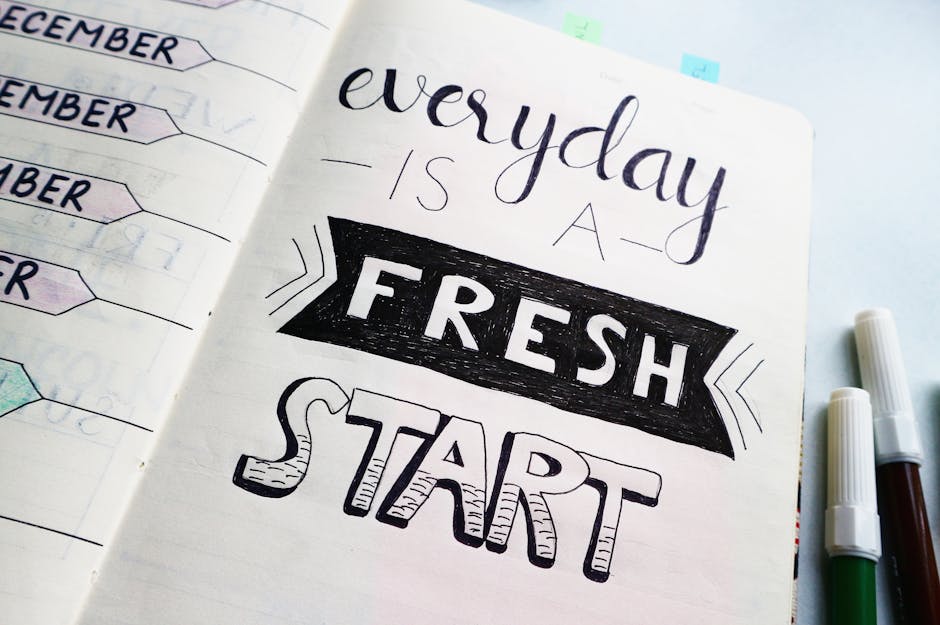
And for those moments when stress threatens to overwhelm, a little help from calming rituals—like sipping a Joy Organics CBD-infused tea—can center your mind and body, making the poetry flow that much easier.
So tonight, at your chosen time, start your three-song playlist, sip your calming beverage, open your notebook, and let words come—with no pressure but plenty of quiet purpose.
Your weeknight poem awaits.